Understanding Natural Ingredients for Energy and Vitality
An educational resource exploring plant-based components and their role in daily wellness
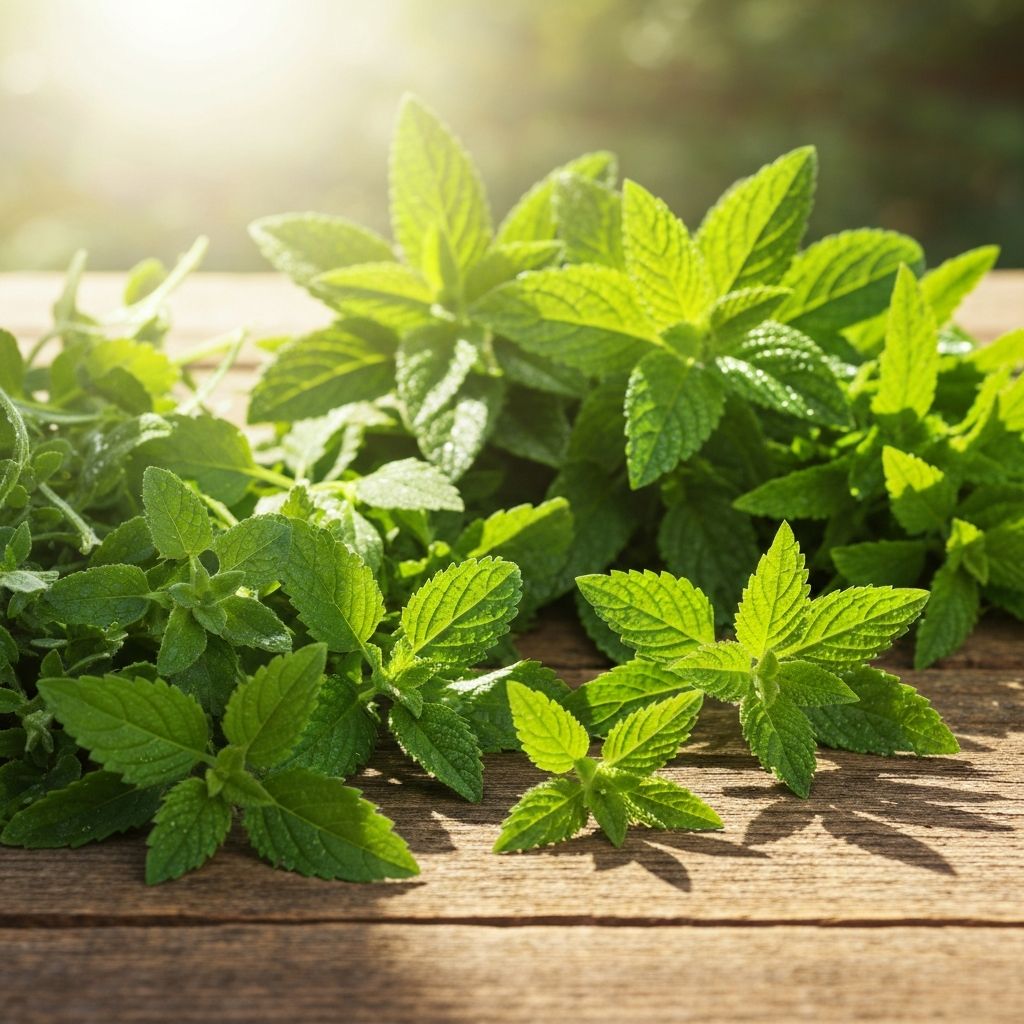
Educational content only. No medical services. No promises of outcomes.
Introduction to Natural Ingredients
Natural ingredients have been part of human culture and daily life for thousands of years. From herbs used in traditional cuisines to plants valued in various cultural practices, these components represent a fascinating intersection of botany, history, and human experience.
This educational resource explores the world of natural ingredients that have been associated with energy and vitality across different cultures. Our goal is to provide informative content that explains these components from historical, cultural, and scientific perspectives.
Understanding natural ingredients requires examining multiple dimensions: their botanical properties, their historical uses in different societies, the cultural contexts in which they were valued, and the scientific research that has investigated their composition.
Energy and Vitality Principles

The concept of energy and vitality in daily life encompasses many factors, from nutrition and physical activity to rest and stress management. No single element determines how energetic or vital a person feels on any given day.
Multiple Factors in Daily Energy
Energy levels throughout the day are influenced by numerous interconnected factors:
- Sleep quality and duration
- Nutritional intake and meal timing
- Physical activity and movement patterns
- Hydration status
- Stress levels and mental well-being
- Environmental factors such as light exposure
Understanding these principles helps contextualize the role that any particular element, including natural ingredients, might play in the broader picture of daily wellness.
Herbal and Plant-Based Components
Common Natural Ingredients
Throughout history and across cultures, various plant-based ingredients have been valued for their properties. Some examples include:
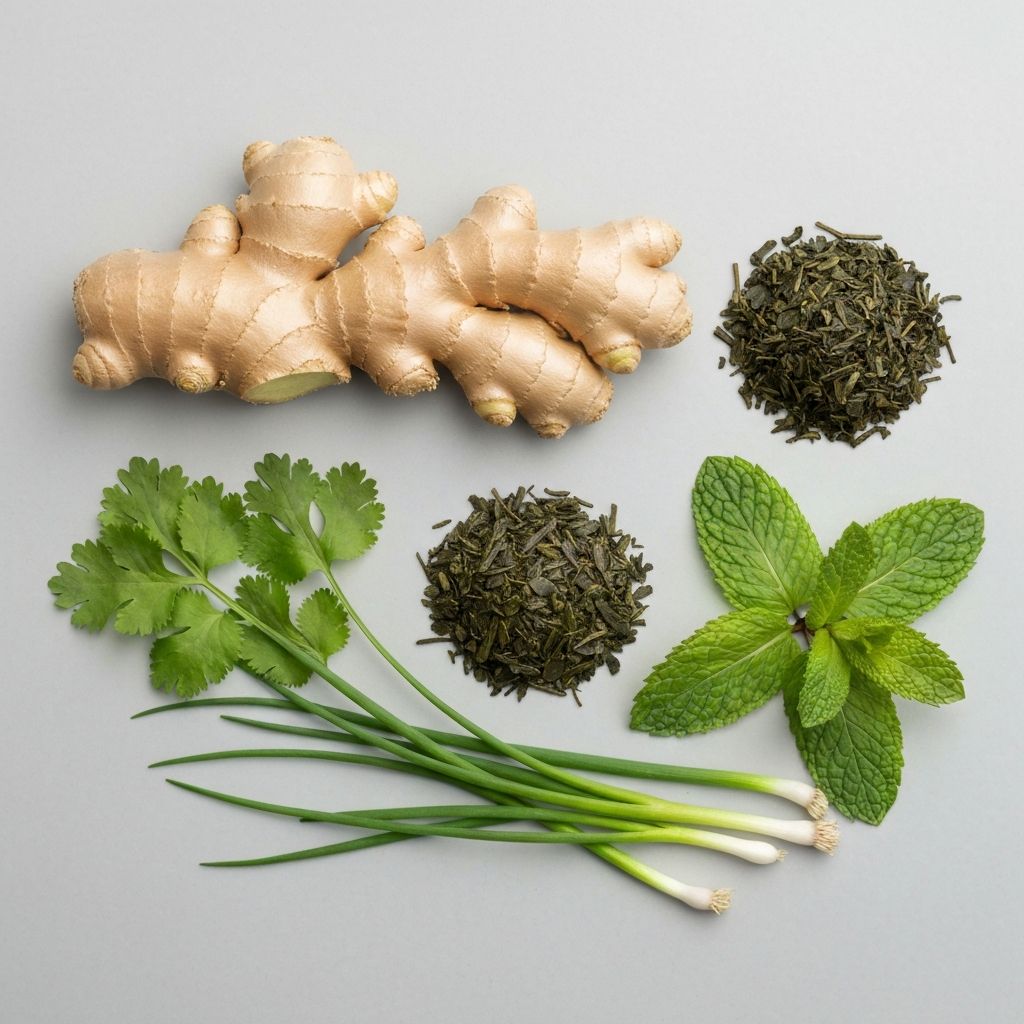
- Green Tea: Contains naturally occurring compounds including catechins and a modest amount of caffeine. Used traditionally in East Asian cultures for centuries.
- Ginger: A root with a distinctive flavor profile, used both culinarily and in traditional practices across many Asian cultures.
- Ginseng: A plant root valued in traditional Chinese and Korean cultural practices for thousands of years.
- Turmeric: A golden-colored spice containing curcumin, central to South Asian cuisines and traditional practices.
- Ashwagandha: An herb used in traditional Indian Ayurvedic practices for over 3,000 years.
Botanical Diversity
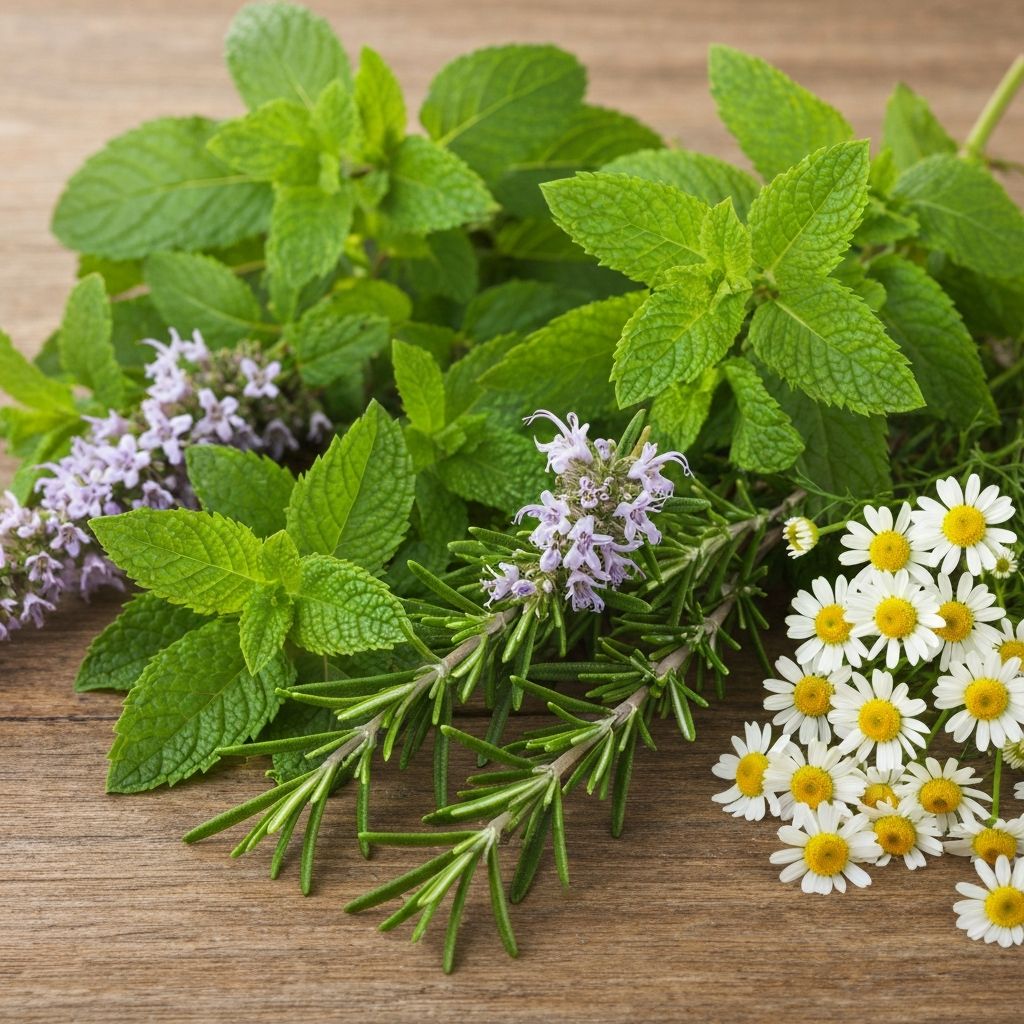
The plant kingdom offers remarkable diversity in terms of chemical composition. Plants produce various compounds as part of their natural life processes, and humans have long been interested in understanding these components.
Different parts of plants, such as roots, leaves, flowers, and seeds, contain different concentrations and combinations of compounds, leading to the varied uses of different plant parts in cultural and culinary traditions.
Scientific Context and Research
Understanding Botanical Research
Scientific research into plant compounds involves multiple disciplines, including botany, chemistry, pharmacology, and nutrition science. Researchers study the chemical composition of plants, the mechanisms by which plant compounds interact with biological systems, and the effects observed in various study models.
Research methodologies vary widely, from laboratory studies examining isolated compounds to population studies observing dietary patterns. Each type of research contributes different kinds of information and has its own limitations and contexts.
The Complexity of Natural Compounds
Natural ingredients typically contain hundreds of different compounds, not just one active ingredient. This complexity makes studying their effects challenging, as different compounds may interact in various ways.
Factors such as growing conditions, harvest timing, processing methods, and storage can all influence the final composition of a natural ingredient, adding further layers of variability to consider.
Note: Scientific research is an ongoing process. Studies may show different results based on methodology, population studied, and many other factors. No single study provides definitive answers about complex biological questions.
Cultural and Historical Perspectives
Traditional Practices Across Cultures
Different cultures around the world have developed unique relationships with local plants and natural ingredients. These traditions reflect centuries of observation, cultural values, and accumulated knowledge passed through generations.
Indonesian Traditional Knowledge
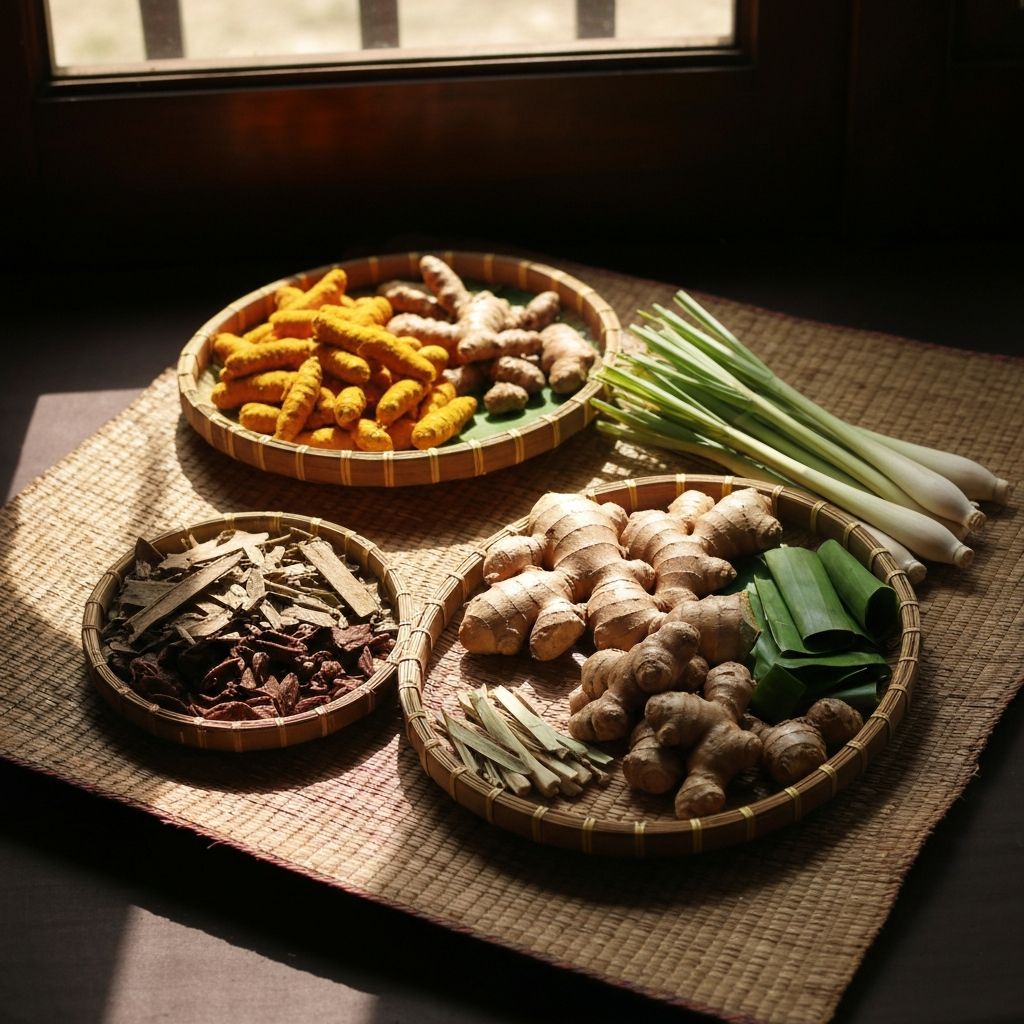
Indonesia has a rich heritage of traditional herbal practices known as Jamu. This tradition, dating back over a thousand years, involves the use of various local plants and spices in specific combinations.
Common Indonesian ingredients include turmeric, ginger, galangal, lemongrass, and tamarind, among many others. These have been integrated into daily life not only through traditional practices but also in cuisine and cultural rituals.
Historical Context
Understanding historical uses of natural ingredients provides cultural context but should not be confused with modern scientific validation. Historical use reflects cultural traditions and should be appreciated as part of human heritage and diversity of practices.
Common Myths and Misconceptions
Myth: Natural Means Safe for Everyone
Many people assume that because something is natural, it must be safe. However, natural compounds can have powerful effects and can interact with various factors. The term natural describes origin, not safety profile.
Myth: One Ingredient Can Transform Health
Health and wellness are influenced by numerous interconnected factors including genetics, environment, lifestyle, stress, sleep, nutrition, and physical activity. No single ingredient can address all these dimensions.
Myth: More Is Always Better
With natural ingredients, as with many things, more does not necessarily mean better. Dosage, timing, and individual factors all play roles in how substances interact with biological systems.
Myth: All Products Are Equivalent
The quality, purity, and composition of natural ingredient products can vary significantly based on sourcing, processing, and manufacturing practices. Not all products containing the same named ingredient are identical.
Informational Perspectives on Daily Wellbeing

Holistic Approach to Wellness
Daily wellbeing is best understood through a holistic lens that considers multiple aspects of life. Natural ingredients, when people choose to incorporate them, represent just one small piece of a much larger picture.
Foundational Elements
Research consistently points to several foundational elements that influence daily wellness:
- Nutrition: A varied diet with adequate nutrients from diverse food sources
- Movement: Regular physical activity appropriate to individual circumstances
- Rest: Adequate sleep and recovery time
- Stress Management: Techniques and practices for managing daily stress
- Social Connection: Meaningful relationships and community engagement
- Purpose and Meaning: Activities and pursuits that provide personal fulfillment
Individual Variability
What supports wellness for one person may differ from what works for another. Individual factors including genetics, life circumstances, preferences, and many other variables mean that approaches to wellbeing are highly personal.
Limitations and Context
Informational Nature of This Resource
This website provides educational information about natural ingredients from cultural, historical, and general scientific perspectives. The content here is intended for informational purposes only.
What This Resource Is Not
- This is not medical advice or consultation
- This is not a recommendation to use any particular ingredient or product
- This is not a substitute for professional healthcare guidance
- This is not a promise or guarantee of any outcomes
- This is not an endorsement of any commercial products or services
Individual Considerations
Every individual has unique health circumstances, needs, and considerations. What may be appropriate for one person may not be suitable for another. Decisions about health, wellness, nutrition, and lifestyle are deeply personal and should be made considering individual circumstances.
Diversity of Approaches
There are many valid approaches to health and wellness. This resource presents one educational perspective on natural ingredients but does not claim this is the only or best approach for anyone.
Consulting Professionals
For questions about personal health, wellness, or specific circumstances, individuals should consult with qualified healthcare professionals who can provide guidance based on individual needs and medical history.
Frequently Asked Questions
What is the purpose of this website?
This website serves as an educational resource providing information about natural ingredients from cultural, historical, and scientific perspectives. It aims to inform readers about the diversity of plant-based components that different cultures have valued throughout history.
Does this website sell products?
No, this is an educational website. We do not sell any products or services. Our focus is on providing informational content about natural ingredients.
Can I get personal recommendations here?
No, this website provides general educational information only. We do not provide personalized recommendations, advice, or consultations of any kind.
Is the information here medical advice?
No, nothing on this website constitutes medical advice. The content is educational and informational in nature. For medical questions or concerns, please consult with qualified healthcare professionals.
How should I use the information on this site?
The information provided here is meant to enhance general knowledge and understanding about natural ingredients. It should be considered as one source among many when learning about this topic, not as a directive for action.
Are natural ingredients safe?
Safety depends on many factors including the specific ingredient, quality, dosage, individual health status, and potential interactions. Natural does not automatically mean safe for everyone. Individual circumstances vary widely.
Who created this resource?
Enervita is an independent educational project. You can learn more on our About page.
Additional Reading and References

Expanding Your Knowledge
Learning about natural ingredients and wellness is an ongoing journey. Here are some general areas for further exploration:
- Botanical Science: Study of plant biology, chemistry, and diversity
- Ethnobotany: Understanding how different cultures have used plants throughout history
- Nutrition Science: Research on diet, nutrients, and their roles in human biology
- Traditional Medicine Systems: Learning about Ayurveda, Traditional Chinese Medicine, Jamu, and other cultural health traditions
- Phytochemistry: The study of chemical compounds in plants
Critical Thinking
When reading about natural ingredients, whether on this site or elsewhere, consider:
- What is the source of the information?
- Is it educational content or marketing material?
- Are claims supported by specific evidence?
- What are the limitations of the information presented?
- Does the content acknowledge complexity and individual variation?
Continue Learning
Interested in receiving educational content about natural ingredients and wellness?
This form is used only for informational newsletter. We do not sell directly.